Treatment in Israel

Every year close to a hundred thousand patients seek medical treatment in Israel. It is easy to see why: The IHRC (International Healthcare Research Center) has named Israel is the number 1 nation in the world in quality of care and medical technology advancement. This, coupled with affordable prices, which are noticeably lower than in the US and Western Europe, doctors and nurses who are fluent in English, and a pleasant Mediterranean climate, make Israel a popular destination.

Israeli specialists are famous for fertility treatments such as IVF, life-saving heart operations, plastic and cosmetic surgery and innovative cancer treatment protocols. Additionally, Israel boasts world-renowned orthopedic surgeons, who specialize in knee and hip joint replacements and spinal operations. Finally, it is a common destination for patients seeking LASIK procedures.


 

Knee Replacement in Israel

Thu, 12/06/2012 - 12:06 Orthopedy
Knee replacement surgery in Israel

Knee replacement, also known as knee arthroplasty, is a surgical procedure whereby parts of a diseased knee joint are replaced with artificial prostheses, which perfectly immitates a real joint, in order to relieve pain and disability. Knee joint endoprosthesis is an effective way to restore normal function of the joint, when conservative treatments do not lead to improvement.

Read more

Heart Surgery in Israel

Thu, 12/06/2012 - 13:06 Cardiology
Heart surgery in Israel

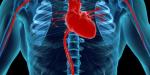
Heart surgery is an umbrella term describing multiple types of interventions on the cardiac muscle. These include CABG, valve replacement, arrhythmia treatment, pacemaker implantation, and so on. Israeli medical centers Assuta and Sheba Tel HaShomer are considered world leaders in this field.

Read more

Colon Cancer Treatment in Israel

Mon, 11/26/2012 - 10:36 Oncology
Colon Cancer Treatment in Israel

Colorectal (colon) cancer is the third most common oncologic disease in the US. Common risk factors include colon polyps, family history, colitis, age and ethnicity. Common early symptoms include bloating, diarrhea or constipation and blood in stool). However, as these generally are unspecific, regular screenings are important.

Read more

Treatment of Brain Tumors in Israel

Mon, 11/26/2012 - 13:59 Neurosurgery
treatment of brain tumors in Israel

Brain tumors can be either malignant or benign. Cancerous tumors can be either primary (start within the brain) or secondary (mets of a cancer that has started somewhere else). The most common types of tumors in adults are meningiomas (which are usually benign) and astrocytomas; in children, malignant medulloblastomas are the most often seen.

Read more

Coronary Artery Bypass Surgery (CABG) in Israel

Thu, 12/06/2012 - 13:32 Cardiology
Coronary bypass

Coronary artery bypass surgery, also known as CABG (coronary artery bypass graft) is a surgical procedure that is performed in cases of severe coronary artery obstruction brought on by conditions such as atherosclerosis or arteriosclerosis. As its name suggests, the goal of the intervention is to restore blood flow by bypassing the obstructed sections.

Read more

Male Infertility Treament in Israel

Thu, 12/06/2012 - 12:19 IVF, Urology
Male infertility Treament in Israel

Male infertility accounts for approximately 40-50% of all cases of infertility. Its causes include various sperm production disorders, varicocele, hormonal issues (i.e. hypogonadotropic hypogonadism), smoking, drug and alcohol abuse, past chemotherapy, certain infections (such as prostatitis), ejaculation disorders and vas deferens obstruction.

Read more

Trigeminal Neuralgia Treatment in Israel

Mon, 11/26/2012 - 14:46 Neurosurgery
Trigeminal Nerve

Trigeminal neuralgia is an inflammation of the trigeminal nerve (cranial nerve V), which can lead to intense electric-shock-like facial pain lasting from a few seconds to several minutes that occur in response to stimulation of the face (i.e. shaving, chewing, brushing teeth or even putting on makeup). The condition is chronic, and symptoms tend to become more severe over time. It is more common among people over 60 but can develop at any age. Most often, its exact causes are unknown.

Read more

Pages

Manor Medical Center Ltd © All rights reserved      Privacy Policy