Treatment in Israel

Every year close to a hundred thousand patients seek medical treatment in Israel. It is easy to see why: The IHRC (International Healthcare Research Center) has named Israel is the number 1 nation in the world in quality of care and medical technology advancement. This, coupled with affordable prices, which are noticeably lower than in the US and Western Europe, doctors and nurses who are fluent in English, and a pleasant Mediterranean climate, make Israel a popular destination.

Israeli specialists are famous for fertility treatments such as IVF, life-saving heart operations, plastic and cosmetic surgery and innovative cancer treatment protocols. Additionally, Israel boasts world-renowned orthopedic surgeons, who specialize in knee and hip joint replacements and spinal operations. Finally, it is a common destination for patients seeking LASIK procedures.
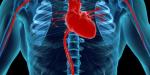
 

Coronary Artery Bypass Surgery (CABG) in Israel

Thu, 12/06/2012 - 13:32 Cardiology
Coronary bypass

Coronary artery bypass surgery, also known as CABG (coronary artery bypass graft) is a surgical procedure that is performed in cases of severe coronary artery obstruction brought on by conditions such as atherosclerosis or arteriosclerosis. As its name suggests, the goal of the intervention is to restore blood flow by bypassing the obstructed sections.

Read more

Urinary Bladder Cancer Treatment in Israel

Thu, 12/06/2012 - 11:16 Oncology, Urology
Bladder Cancer

Most bladder cancers develop in the urothelium (the bladder’s innermost layer). Left untreated, the disease tends to metastasize into bones, lungs, and/or liver.

Bladder Cancer Causes & Symptoms

It's believed that the main cause of bladder cancer is exposure to carcinogenic substances (aromatic amines, certain industrial chemicals and diesel fumes), which reach the bladder mucosa via urine.

Additional risk factors for bladder cancer are:

Read more

Multiple Sclerosis Treatment in Israel

Mon, 11/26/2012 - 14:42 Neurosurgery
Multiple Sclerosis

Multiple sclerosis (MS) is a demyelinating disease, which results in loss of ability of the nervous system to communicate due to damage to brain and spinal cord nerve cells. It can either take the form of individual attacks with the patient appearing asymptomatic between them, or take chronic form.

MS Symptoms and Causes

Multiple sclerosis can affect a large number of systems in the body, resulting in a variety of symptoms such as:

Read more

Treatment of Brain Tumors in Israel

Mon, 11/26/2012 - 13:59 Neurosurgery
treatment of brain tumors in Israel

Brain tumors can be either malignant or benign. Cancerous tumors can be either primary (start within the brain) or secondary (mets of a cancer that has started somewhere else). The most common types of tumors in adults are meningiomas (which are usually benign) and astrocytomas; in children, malignant medulloblastomas are the most often seen.

Read more

Kidney and Ureteral Stones Treatment Israel

Thu, 12/06/2012 - 12:12 Urology
Kidney and ureteral Stones Treatment in Israel

Urinary tract stones form from mineral and salts. While small kidney or ureteral stones usually don’t cause any symptoms, larger ones may cause significant discomfort including urinary retention, excruciating pain, bleeding and frequent infections.

Small stones (up to about 6-7 mm in diameter) can be passed naturally. Larger ones, however, require treatment.

Read more

Knee Replacement in Israel

Thu, 12/06/2012 - 12:06 Orthopedy
Knee replacement surgery in Israel

Knee replacement, also known as knee arthroplasty, is a surgical procedure whereby parts of a diseased knee joint are replaced with artificial prostheses, which perfectly immitates a real joint, in order to relieve pain and disability. Knee joint endoprosthesis is an effective way to restore normal function of the joint, when conservative treatments do not lead to improvement.

Read more

Atrial Fibrillation (Cardiac Arrhythmia) Treatment in Israel

Mon, 11/26/2012 - 15:27 Cardiology
Atrial Fibrillation

Atrial fibrillation, also called AF or A-Fib, is a condition that is characterized by the atria (upper chambers) beating rapidly and irregularly. Risk factors for its development involve hypertension, valvular or coronary artery disease, obesity, sleep apnea and COPD. Episodes tend to be mild in the early stages but tend to progress over time. They include shortness of breath, palpitations, chest pains, lightheadedness and syncope.

Read more

Pages

Manor Medical Center Ltd © All rights reserved      Privacy Policy